 Admin
Admin Wollmatten: A Natural Approach to Comfort, Insulation, and Everyday Living
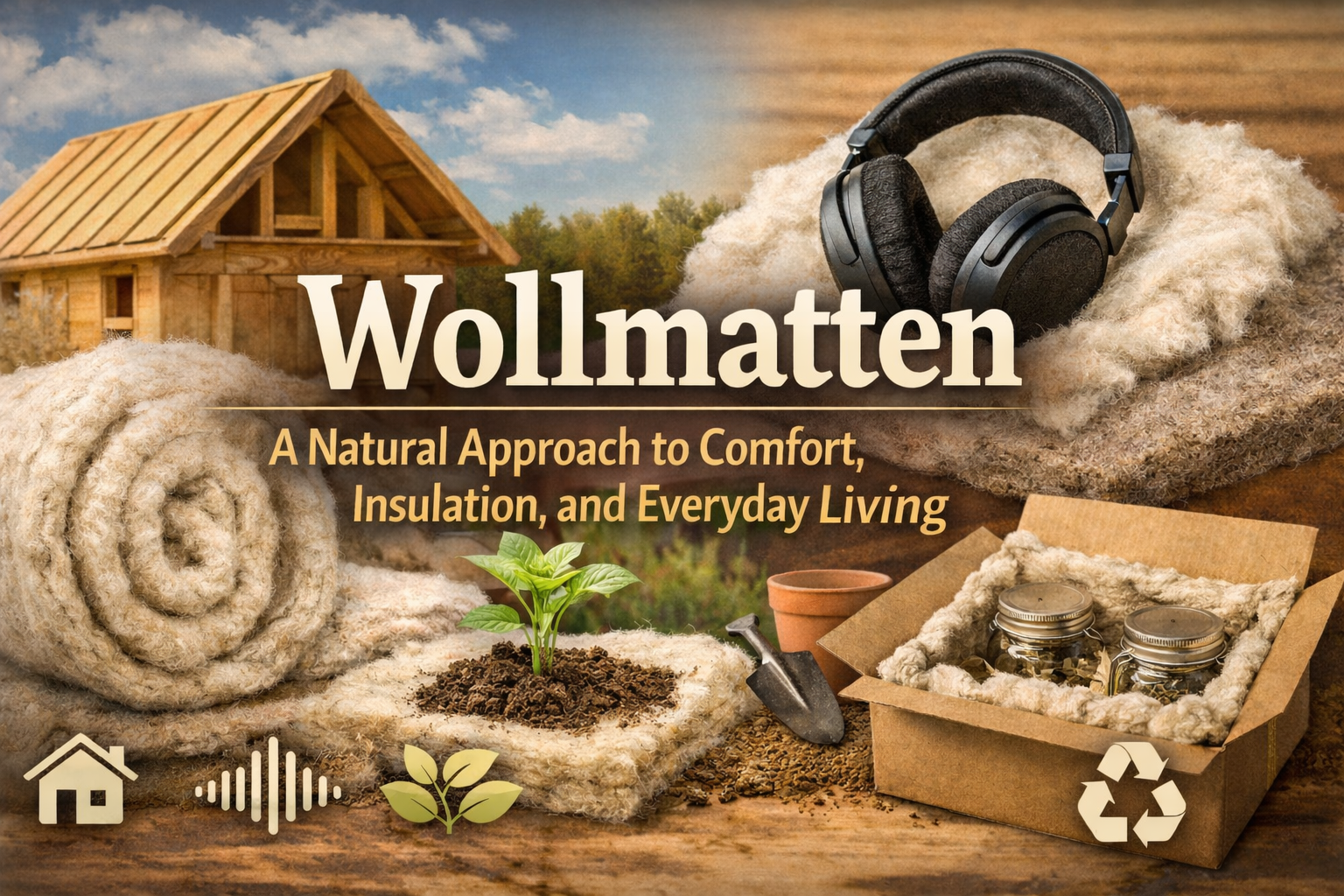
There’s something oddly calming about natural materials. Wood, cotton, wool… they just feel different. Warmer somehow. Less “factory,” more “earth.” And that’s exactly where wollmatten come into the picture.
If you’ve stumbled across the term “wollmatten” recently, you might be wondering what it actually means, why people are talking about it, and whether it’s just another trend that’ll disappear next season. Well… not really.
Wollmatten are quietly becoming a go-to solution for people who care about comfort, insulation, sustainability, and even design. Not flashy, not loud—just useful in that very honest, grounded way.
And yes, there’s more to them than you might expect.
What Are Wollmatten, Really?
Let’s keep it simple.
Wollmatten basically refers to wool mats—natural mats made from sheep wool or similar fibers. They’re used in different ways depending on the purpose:
- Thermal insulation in buildings
- Acoustic dampening in interiors
- Natural padding or protective layers
- Eco-friendly construction materials
- Sometimes even in gardening or packaging
They’re not new. In fact, wool has been used in construction and textile work for centuries. But modern wollmatten? They’re refined, cleaner, and more versatile than ever.
And honestly… they’re kind of underrated.
If you want to explore more about the concept and applications, you can check out wollmatten as a starting point.
Why Wool? The Natural Science Behind It
Wool isn’t just “soft material from sheep.” It has some surprisingly advanced natural properties.
Here’s what makes it special:
- It regulates temperature naturally
- It absorbs and releases moisture without losing shape
- It’s flame-resistant (naturally, without chemicals)
- It traps air, making it an excellent insulator
- It can neutralize certain indoor pollutants
And the funny part? Humans didn’t engineer this. Nature did.
So when wool is turned into mats—wollmatten—it basically becomes a ready-made performance material without needing heavy industrial processing.
Common Uses of Wollmatten
Wollmatten show up in more places than most people realize. You might already be around them without knowing.
In Buildings
One of the biggest uses is insulation.
- Roof insulation
- Wall insulation
- Floor underlays
- Soundproofing panels
They help maintain indoor temperature—cool in summer, warm in winter. Simple idea, big impact.
In Acoustic Design
Ever walked into a room and felt like your voice just… sounded better? That’s acoustics.
Wollmatten are often used in:
- Recording studios
- Home theaters
- Office meeting rooms
- Music practice spaces
They reduce echo without making a space feel “dead.”
In Gardening and Agriculture
A bit surprising, but yes.
Wollmatten can be used for:
- Soil protection
- Moisture retention
- Weed suppression
- Root insulation during cold months
They slowly break down and enrich the soil over time. Pretty neat.
In Packaging
Eco-friendly packaging is a growing field, and wool fits right in.
- Cushioning fragile items
- Replacing plastic foam
- Protecting temperature-sensitive goods
It’s biodegradable, which is a big deal nowadays.
Key Benefits of Wollmatten
Let’s break it down clearly.
| Feature | Benefit |
|---|---|
| Natural material | No harmful chemicals |
| High insulation | Saves energy costs |
| Breathable | Prevents moisture buildup |
| Durable | Long-lasting performance |
| Eco-friendly | Biodegradable and renewable |
| Sound absorption | Improves indoor acoustics |
| Fire resistance | Safer than many synthetic materials |
There’s a pattern here—you get performance and sustainability without compromise.
That’s not something every material can claim.
How Wollmatten Compare to Synthetic Materials
This is where things get interesting.
Synthetic insulation materials like foam or fiberglass have been dominant for decades. They work, sure. But they also come with trade-offs.
Wollmatten take a different approach.
- They don’t release toxic fumes
- They don’t irritate skin during installation
- They don’t degrade into microplastics
- They regulate humidity instead of trapping it
But… they can be slightly more expensive upfront. That’s the catch.
Still, many people see them as a long-term investment rather than a cost.
Installation: Is It Complicated?
Not really.
One of the underrated things about wollmatten is how easy they are to work with. They can usually be:
- Cut with basic tools
- Fitted into frames or cavities
- Layered for better insulation
- Combined with other eco-materials
No special protective gear required in most cases, which already puts them ahead of fiberglass for many installers.
And once they’re in place… they just do their job quietly.
Sustainability Factor: Why It Matters
Let’s talk about something bigger than just insulation.
Sustainability isn’t a buzzword anymore—it’s a requirement. Buildings account for a huge chunk of global energy consumption, and materials matter more than ever.
Wollmatten fit into circular thinking:
- Renewable source (sheep wool grows back)
- Low processing energy
- Biodegradable at end of life
- Minimal waste during production
And that’s probably why interest in wollmatten is growing steadily across eco-conscious construction markets.
It’s not hype. It’s just practical.
A Closer Look at Performance
Let’s get a bit technical—but not too much.
Wool fibers naturally form crimped structures. That creates tiny air pockets. Air pockets = insulation.
So when you use wollmatten:
- Heat transfer slows down
- Sound waves lose energy
- Moisture gets balanced naturally
It’s kind of like nature designed a built-in climate control system.
Not perfect for every situation, but surprisingly effective for many.
Pros and Cons of Wollmatten
Pros
- Eco-friendly and sustainable
- Excellent thermal insulation
- Good soundproofing
- Safe to handle
- Long lifespan
- Naturally resistant to pests in many cases
Cons
- Higher upfront cost compared to synthetic options
- Availability can vary by region
- May require proper treatment for certain industrial uses
- Not always suitable for extremely high-moisture environments
Still, the pros tend to outweigh the cons for many users.
Where Wollmatten Are Most Popular
Different regions are adopting them at different speeds.
You’ll commonly find wollmatten used in:
- Germany and Central Europe (strong eco-building culture)
- Scandinavia (cold climate + sustainability focus)
- Eco-friendly architectural projects worldwide
- Renovation projects aiming for energy efficiency
The trend is slowly expanding as more builders look for alternatives to synthetic insulation.
Maintenance and Longevity
Here’s something people often ask—do wollmatten need maintenance?
Not much, honestly.
Once installed properly:
- They don’t require frequent replacement
- They resist settling better than many materials
- They maintain performance over time
- They naturally adjust to humidity cycles
Just proper installation is key. If that’s done right, they can last for years without issues.
FAQs About Wollmatten
1. Are wollmatten safe for indoor use?
Yes. They are generally safe, non-toxic, and often used in homes and offices without any special restrictions.
2. Do wollmatten attract pests?
In most modern treated forms, they are resistant to pests. However, untreated wool can attract moths in rare cases.
3. Can wollmatten be recycled?
Yes. They are biodegradable and can return to the soil over time, depending on treatment.
4. Are they better than fiberglass?
In many ways—especially comfort, safety, and environmental impact. But fiberglass can still be cheaper and widely available.
5. Where can I learn more about wollmatten?
You can explore more details and applications at wollmatten.
Final Thoughts (Not Too Formal Though)
It’s easy to think of materials like insulation or mats as boring technical stuff. But wollmatten kind of challenge that idea.
They sit in this interesting space where tradition meets modern sustainability. Nothing flashy, nothing over-engineered—just natural fibers doing what they’ve always done, but in a more intentional way.
Maybe that’s why they’re getting attention now. People are slowly shifting back toward materials that feel… honest. Less synthetic, more grounded.
And wollmatten fit right into that mindset.
Not perfect. Not magical. Just practical in a very natural sense.