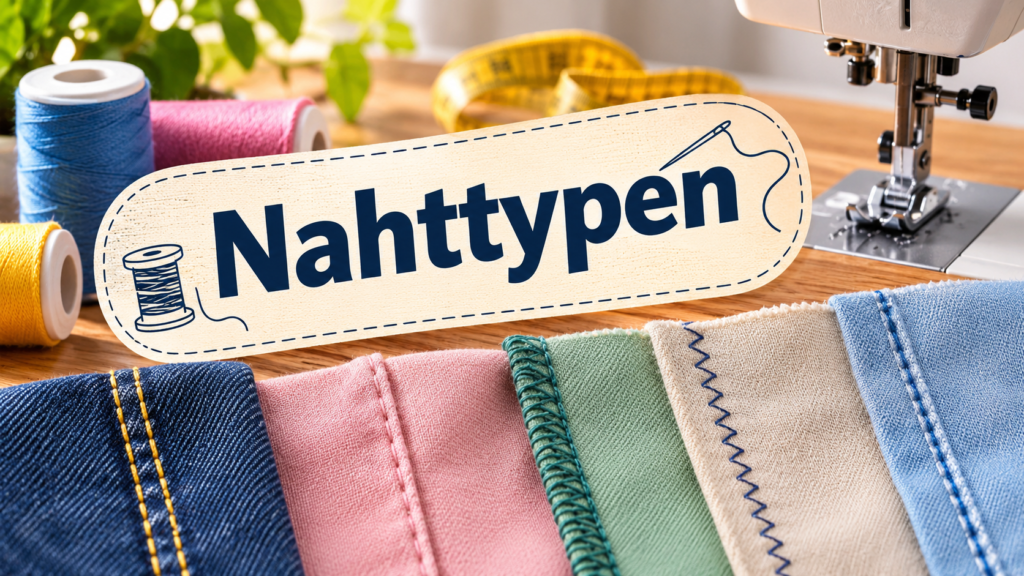
Sewing is more than simply joining two pieces of fabric with a needle and thread. The way those pieces are connected can make a big difference in how a finished garment looks, feels, and lasts. Some seams are designed to remain almost invisible, while others provide extra strength or add an attractive detail.
This is where Nahttypen comes into the picture.
Nahttypen is a German word that translates to “types of seams” in English. It refers to the different sewing techniques used to connect fabric pieces. Whether you’re making everyday clothing, repairing an old shirt, or working on a professional textile project, understanding different seam types can help you achieve better results.
Let’s explore the most common options and when to use them.
What Are Nahttypen?
In sewing, a seam is the line where two or more pieces of fabric are joined together. Different seam constructions are used depending on the material, design, and purpose of the finished product.
For example, a lightweight summer blouse needs a different seam from a pair of heavy denim jeans. One requires a neat, lightweight finish, while the other needs a strong construction that can handle regular movement and washing.
Choosing the right seam is important for several reasons:
- It improves the durability of clothing.
- It prevents fabric edges from fraying.
- It creates a cleaner and more professional appearance.
- It improves comfort, especially in garments worn close to the skin.
- It helps maintain the original shape of a finished product.
7 Common Types of Seams
There are many different Nahttypen used in home sewing and professional garment production. Here are seven popular options worth knowing.
1. Plain Seam
The plain seam is one of the simplest and most widely used sewing techniques. Two fabric pieces are placed with their right sides facing each other and stitched along the edge.
After sewing, the seam allowances are usually pressed open or toward one side.
This technique works well for everyday clothing, cotton fabrics, skirts, shirts, and many other basic projects.
2. French Seam
A French seam is a great choice when you want a neat finish on both sides of the fabric. Instead of leaving the raw edges exposed, this technique encloses them inside the seam.
It’s especially useful for lightweight materials that tend to fray.
Common applications include:
- Silk blouses
- Chiffon dresses
- Lightweight cotton shirts
- Delicate garments
It takes a little extra time, but the clean result is worth the effort.
3. Flat-Felled Seam
If you’ve ever looked closely at the seams on a pair of jeans, you’ve probably seen a flat-felled seam.
This construction folds one seam allowance over the other and secures it with stitching. The raw edges are enclosed, creating a strong and durable finish.
It’s commonly used for denim, workwear, shirts, and outdoor clothing.
4. Overlock Seam
An overlock seam is made using a special machine called an overlocker or serger. The machine stitches, trims, and finishes the fabric edge in one operation.
This makes it especially useful for stretchy fabrics such as jersey and knitwear.
You’ll often find overlock stitching inside T-shirts, leggings, sweatshirts, and other ready-to-wear garments.
5. Flat Seam
A flat seam is designed to reduce bulk and create a smooth finish. Depending on its construction, fabric edges may be joined or arranged so that the finished seam lies flat.
This technique is particularly useful for sportswear and activewear because bulky seams can cause discomfort during movement.
6. Zigzag Seam
A zigzag stitch moves from side to side rather than following a straight line. It can help prevent fabric edges from fraying and provides some flexibility when working with certain materials.
Most standard sewing machines include this useful feature.
It’s often used for:
- Stretch fabrics
- Fabric edge finishing
- Basic repairs
- Decorative stitching
7. Bound Seam
A bound seam uses an additional strip of fabric, often bias binding, to cover the raw edges. This creates a neat and attractive finish inside the garment.
It’s commonly found in unlined jackets, dresses, and other clothing where the inside construction remains visible.
Comparison of Different Nahttypen
Here’s a quick comparison to help you understand which seam works best for different sewing projects.
| Seam Type | Main Advantage | Common Uses |
|---|---|---|
| Plain Seam | Simple and versatile | Shirts, trousers, dresses |
| French Seam | Clean enclosed edges | Silk and lightweight fabrics |
| Flat-Felled Seam | Strong and durable | Jeans and workwear |
| Overlock Seam | Fast edge finishing | T-shirts and knitwear |
| Flat Seam | Reduces bulk | Sportswear |
| Zigzag Seam | Flexible stitching | Stretch fabrics and repairs |
| Bound Seam | Neat enclosed edges | Jackets and dresses |
How to Choose the Right Seam Type
Not every seam works well with every fabric. Before starting a sewing project, consider a few important details.
Fabric thickness: Lightweight materials usually benefit from finer seams, while heavy fabrics may need stronger construction.
Stretch and flexibility: Knit fabrics require stitches that can stretch without breaking. Overlock and suitable stretch stitches are popular choices.
Durability: Clothing that experiences regular friction or heavy use needs reliable seams.
Appearance: Some projects require hidden seams, while others look better with visible topstitching.
Comfort: For sportswear and fitted garments, avoid unnecessarily bulky seams that may irritate the skin.
A useful tip is to practise on a small fabric sample before sewing the actual garment. It helps you check the stitch length, thread tension, and overall appearance without risking your project.
Why Understanding Nahttypen Matters
Different seam types do more than hold fabric together. They influence the quality, comfort, and lifespan of finished clothing.
A poorly selected seam may cause puckering, fraying, or even separation after repeated washing. On the other hand, the right construction can make a handmade garment look much more professional.
And you don’t need expensive equipment to get started. A basic sewing machine, suitable thread, the correct needle, and a little practice are enough to learn several useful techniques.
Final Thoughts
Understanding Nahttypen is a valuable part of learning how sewing works. From simple plain seams to durable flat-felled constructions, each technique has a purpose.
The best choice depends on your fabric, the garment you’re making, and the finish you want to achieve. Start with basic techniques, experiment with different materials, and gradually build your skills.
With a little patience, even small improvements in seam construction can make your sewing projects look cleaner, stronger, and more professional.