 By Admin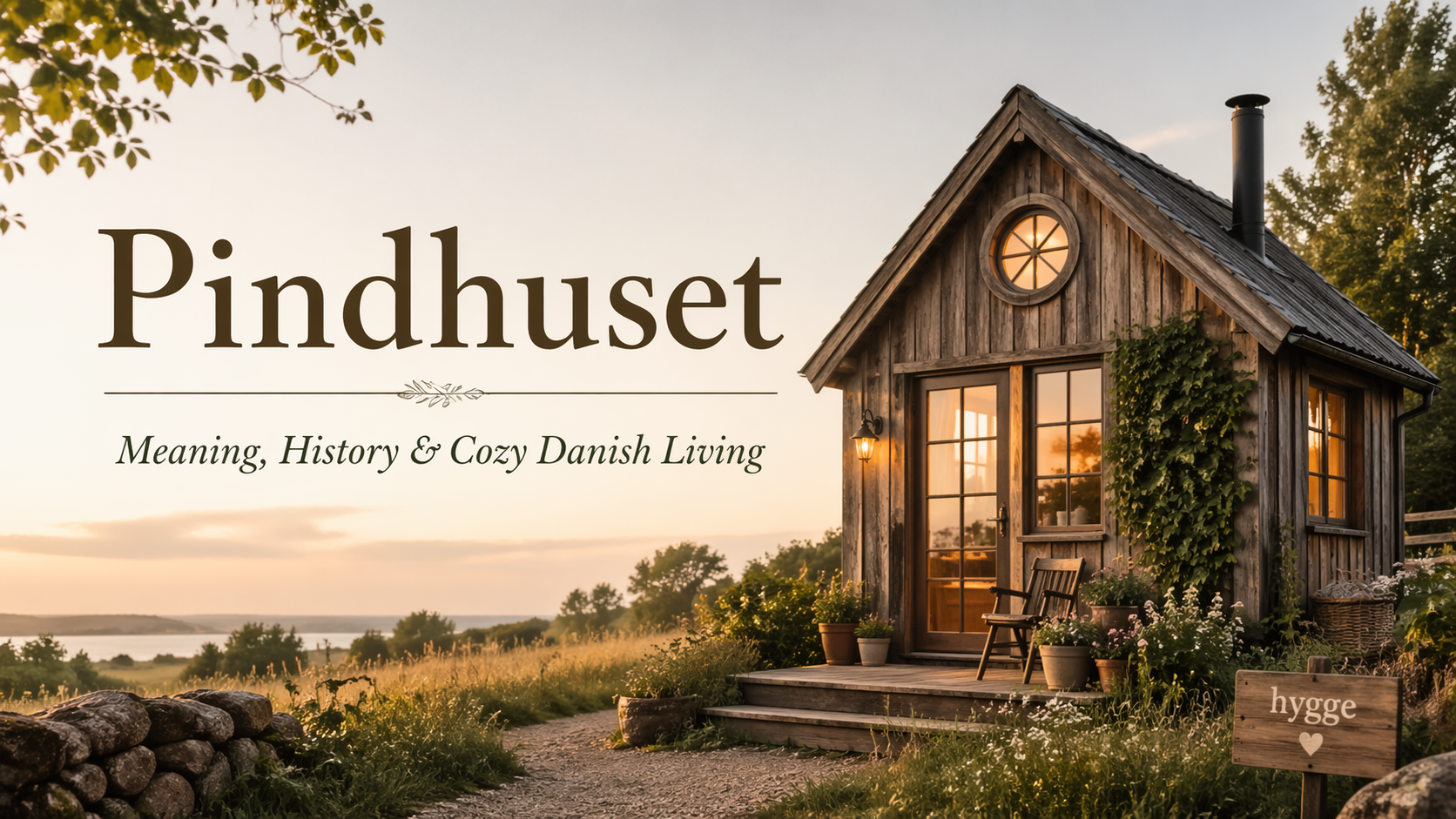
Introduction
Pindhuset is one of those words that feels small at first… but the more you look at it, the more it opens up. It sounds simple, a little rustic, and very Nordic. And that is exactly why people are becoming curious about it.
In many online discussions, pindhuset is described as a Danish-inspired house, small rural structure, or cozy shared place connected with simple living, tradition, and warmth. The word is not widely listed as a major dictionary term, so it should be understood carefully. Still, its parts make sense in Danish: “pind” can mean stick or peg, while “hus” means house.
What Is Pindhuset?
Pindhuset can be understood as “the stick house” or a small house-like structure with a natural, handmade, or countryside feeling. Some modern explainers describe it as a traditional Danish rural space used for storage, gatherings, or simple community life.
But don’t think of it as only a building.
A pindhuset can also represent a feeling:
- A quiet place
- A warm corner
- A small home-like space
- A rustic room with wood, handmade items, and calm energy
- A place where people gather without pressure
It is not flashy. Not modern in a cold way. It feels more like a place where someone has just made coffee, opened a window, and placed fresh bread on the table.
The Meaning Behind the Word
The charm of pindhuset comes from its simple construction as a word. In Danish, pind is linked with a stick, peg, or thin piece of wood. Hus means house. So, when people see “pindhuset,” they often connect it with a small wooden house, cottage, shed, or natural home.
That doesn’t mean every pindhuset is literally made from sticks. No, not really. The meaning is more cultural and visual.
It suggests:
- Wood
- Nature
- Handmade design
- Countryside living
- Practical shelter
- A simple and cozy lifestyle
And honestly, that is why the word feels attractive for blog readers. It carries a mood.
Pindhuset and Danish Rural Life
Denmark has a long connection with farming villages, coastal homes, small cottages, and practical buildings. In old rural communities, small structures were often used for many purposes. One space could store tools. Another could be used for resting. Sometimes people gathered there to talk, share food, or handle daily work.
Modern articles about pindhuset often connect it with this kind of countryside usefulness. They describe it as a small, practical place that supported farming families and community life.
And that makes sense.
A simple rural house was never just “decor.” It had work to do. It protected things. It gave shelter. It gave people a place to pause.
Common Features of a Pindhuset
A traditional or Danish-inspired pindhuset usually has a soft, natural look. It is not about luxury in the expensive sense. It is about comfort.
Here are some common features people associate with it:
- Wooden beams or timber details
- Small windows with natural light
- Simple furniture
- Warm blankets and soft textures
- Handmade baskets, shelves, or tools
- A fireplace or warm central area
- Neutral colors like cream, brown, grey, and soft green
- A connection with garden, field, forest, or village surroundings
It may look ordinary from outside. But inside, it feels personal. A little imperfect too — and that is part of the beauty.
Pindhuset at a Glance
| Feature | What It Means |
|---|---|
| Word origin | Danish-inspired, linked with “pind” and “hus” |
| Basic idea | A small house, cozy structure, or simple shared place |
| Design style | Rustic, wooden, natural, warm |
| Cultural feeling | Community, calm living, countryside comfort |
| Modern use | Home decor idea, cottage style, retreat space, café theme |
| Best mood | Hygge, peaceful, simple, welcoming |
Why Pindhuset Feels So Cozy
One reason pindhuset feels special is because it connects with the Nordic idea of comfort. Many people know the Danish word hygge, which is about warmth, ease, and enjoying small moments. Pindhuset fits naturally into that feeling.
Imagine this.
A small wooden room. Rain outside. A wool blanket on a chair. A candle on the table. Someone is making tea. Nothing expensive. Nothing too perfect. Just calm.
That is the real attraction.
People are tired of spaces that look good but feel empty. Pindhuset feels lived-in. It has soul.
Modern Uses of Pindhuset
Today, pindhuset can be used in different ways. Some people may use the idea for architecture. Others may use it for interior design, travel writing, lifestyle branding, or even a cozy café concept.
Modern versions can include:
- Guest cabins
- Garden rooms
- Reading corners
- Tiny homes
- Countryside vacation rentals
- Farm-style shops
- Handmade product stores
- Community meeting spaces
There is even a Danish shop called Pindhus in Silkeborg, which says it began as a farm shop in 2005 and later moved into the town center while keeping that warm “farm shop” atmosphere.
So the idea still works today. People like spaces that feel local, personal, and real.
How to Create a Pindhuset Feeling at Home
You don’t need to live in Denmark to enjoy this style. You can create a pindhuset-inspired feeling in a room, small office, garden shed, or even a blog design.
Start with natural materials. Wood is the main thing. Then add softness.
Try these simple ideas:
- Use wooden shelves or a small wooden table
- Add warm lighting instead of bright white lights
- Keep colors calm and earthy
- Use linen, wool, cotton, or handmade fabrics
- Place plants near windows
- Add old books, pottery, or woven baskets
- Avoid too much plastic or shiny decoration
- Keep the space clean, but not lifeless
And don’t over-style it. That is important. A pindhuset should not look like a showroom. It should feel like someone actually lives there.
Pindhuset in Travel and Lifestyle Content
For travel bloggers, pindhuset is a beautiful topic because it combines culture, design, and emotion. Readers love places with a story. A small Danish cottage or rustic community house is easier to connect with than a huge modern hotel.
For lifestyle websites, the keyword can work well in content about:
- Danish living
- Nordic interiors
- Small homes
- Rustic architecture
- Cozy home ideas
- Simple living
- Cottagecore style
- Cultural design trends
It is also a good keyword because it feels fresh and unusual. People may search it because they saw it somewhere and want a clear answer.
Benefits of the Pindhuset Style
The pindhuset idea has many practical benefits too. It is not just pretty words.
Some benefits include:
- It creates a peaceful mood
- It supports simple living
- It encourages natural materials
- It works well for small spaces
- It feels warm and welcoming
- It can be budget-friendly
- It gives a home more character
- It connects people with tradition and nature
And maybe the biggest benefit is this: it slows things down.
In a fast world, a small cozy place matters.
Common Mistakes to Avoid
If you want to create a pindhuset-style space, avoid making it too artificial.
Common mistakes include:
- Adding too many decorations
- Using fake rustic items that look cheap
- Making the room too dark
- Copying Pinterest without personality
- Forgetting comfort
- Using only white and grey with no warmth
- Choosing style over real use
A good pindhuset-style space should feel honest. Slightly rough. Comfortable. Not perfect.
Final Thoughts
Pindhuset is more than a strange-looking keyword. It carries a soft Nordic feeling — a small house, a cozy place, a simple shelter, maybe even a reminder of older village life.
Its exact meaning can change depending on how people use it. Some see it as a Danish rural structure. Some see it as a lifestyle idea. Others connect it with handmade wood, cottage design, or peaceful living. And all of these meanings sit close together.
At its heart, pindhuset is about warmth.
A place to pause.
A place to feel safe.
A place that doesn’t need to be perfect to be beautiful.