 By Admin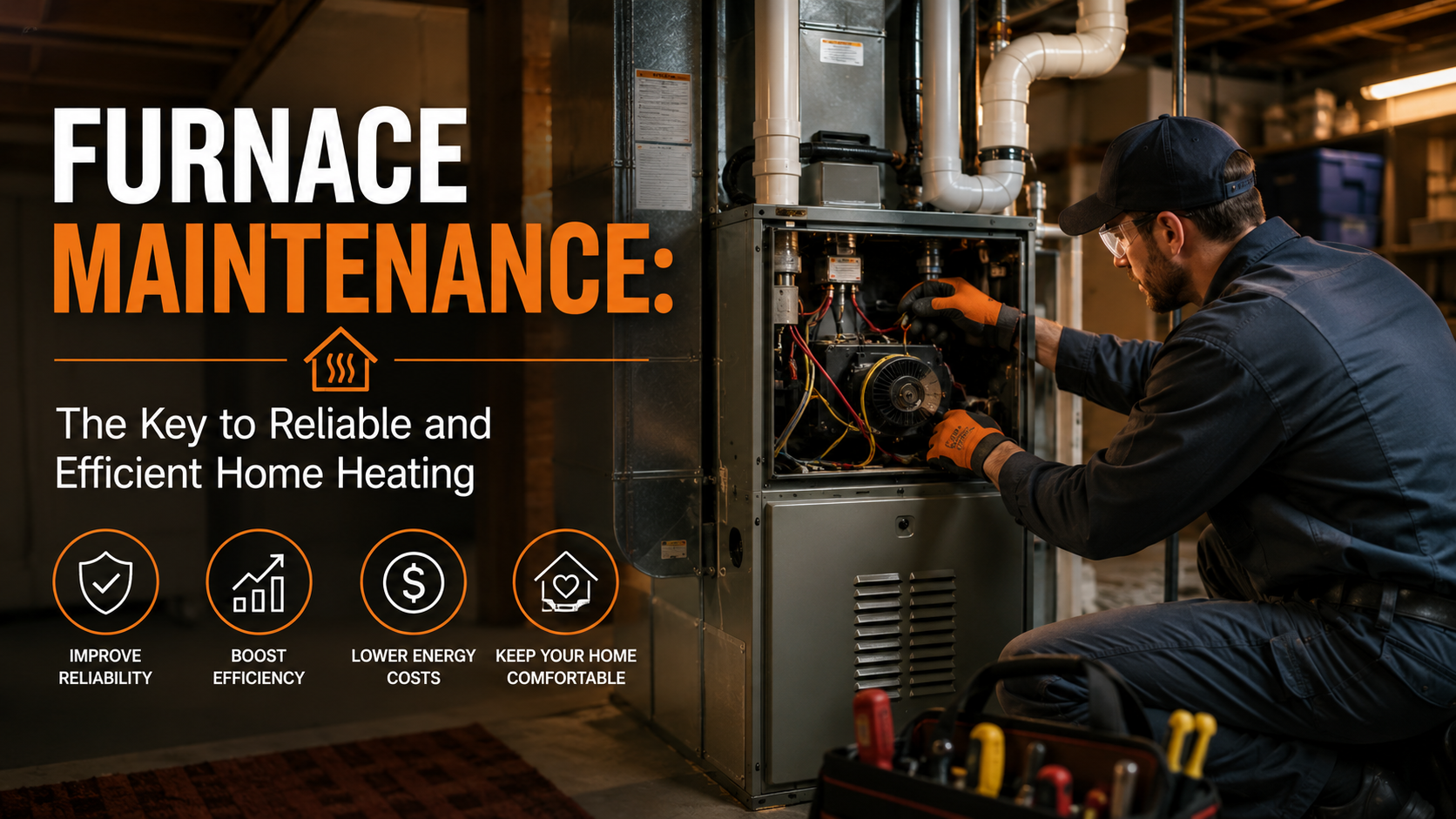
A dependable heating system is essential for staying comfortable during colder months. However, even the most reliable furnace needs regular care to perform at its best. Routine furnace maintenance helps improve efficiency, extend equipment life, and reduce the risk of unexpected breakdowns. By investing time in preventative care, homeowners can enjoy consistent warmth while avoiding costly repairs.
Whether your heating system is new or has been operating for years, scheduling furnace maintenances is one of the smartest ways to protect your investment and ensure dependable performance throughout the heating season.
Why Furnace Maintenance Matters
Every heating system experiences wear and tear over time. Dust buildup, worn components, and restricted airflow can reduce efficiency and force the furnace to work harder than necessary. Regular furnace maintenance keeps all essential parts clean, properly adjusted, and operating safely.
Benefits of consistent maintenance include:
- Improved energy efficiency
- Lower monthly heating costs
- More consistent indoor temperatures
- Longer equipment lifespan
- Reduced chance of emergency breakdowns
- Enhanced system safety
Routine furnace maintenance also allows minor issues to be identified before they develop into expensive repairs.
Signs Your Furnace Needs Maintenance
Even if your furnace appears to be working, certain warning signs may indicate it’s time for professional furnace maintenance.
Higher Energy Bills
If heating costs continue to increase without a change in usage, reduced efficiency may be the cause. Proper furnace maintenance helps restore optimal performance.
Uneven Heating
Hot and cold spots throughout the home often result from airflow restrictions or system imbalance, both of which can be corrected during maintenance.
Strange Noises
Rattling, squealing, humming, or banging sounds may indicate loose or worn components that require attention.
Frequent Cycling
A furnace that repeatedly turns on and off may have airflow, thermostat, or sensor issues that are identified during furnace maintenance.
Dust Around Vents
Excess dust circulating through the home can indicate dirty filters or internal buildup that should be cleaned during routine service.
What Is Included in Furnace Maintenance?
Professional furnace maintenance involves a complete inspection and servicing of the heating system to ensure safe and efficient operation.
Cleaning Internal Components
Dust and debris accumulate inside the furnace over time. Cleaning burners, blowers, and other internal parts improves airflow and efficiency.
Inspecting Air Filters
Dirty air filters reduce airflow and increase strain on the system. Replacing filters is an important part of regular furnace maintenance.
Checking Electrical Connections
Loose wiring and electrical components can affect furnace performance and safety. All connections are carefully inspected and tightened if necessary.
Testing the Thermostat
A properly functioning thermostat ensures accurate temperature control and efficient system operation.
Inspecting Safety Controls
Safety switches and system controls are tested to confirm the furnace operates safely under normal conditions.
Benefits of Regular Furnace Maintenance
Preventative care provides long-term advantages that improve both comfort and efficiency.
Lower Energy Consumption
A clean and properly adjusted furnace uses less energy while delivering consistent heating throughout the home.
Fewer Repairs
Routine furnace maintenance identifies worn components before they fail, reducing the likelihood of unexpected repair costs.
Longer Equipment Life
Well-maintained heating systems experience less stress, allowing major components to last significantly longer.
Better Indoor Comfort
Proper airflow and accurate temperature control help eliminate cold spots and maintain consistent comfort.
Improved Reliability
No homeowner wants their heating system to stop working during freezing weather. Regular furnace maintenance significantly reduces the risk of unexpected failures.
Furnace Maintenance Tips for Homeowners
While professional servicing is essential, homeowners can also take simple steps to keep their furnace operating efficiently.
Replace Filters Regularly
Changing air filters every few months improves airflow and keeps the furnace cleaner.
Keep Vents Clear
Furniture, rugs, and curtains should never block supply or return vents, as unrestricted airflow improves system performance.
Monitor Thermostat Settings
Using appropriate temperature settings helps reduce unnecessary strain on the furnace.
Listen for Changes
New noises or unusual odors should never be ignored. Scheduling furnace maintenance early can prevent larger issues.
When Should Furnace Maintenance Be Scheduled?
The ideal time for furnace maintenance is before the heating season begins. Annual servicing allows technicians to inspect the system, clean critical components, and ensure everything is ready for continuous winter operation.
Even newer heating systems benefit from yearly maintenance because regular inspections help preserve efficiency and identify potential issues before they affect performance.
Conclusion
Routine furnace maintenance is one of the most effective ways to improve heating efficiency, lower energy costs, and extend the life of your furnace. From cleaning essential components to inspecting safety controls and replacing filters, preventative maintenance helps ensure reliable performance throughout the winter. By scheduling regular furnace maintenance and addressing minor concerns early, homeowners can enjoy greater comfort, fewer unexpected repairs, and peace of mind knowing their heating system is prepared for the coldest days of the year.